The American Flag Font: A Patriotic Typeface for Bold Designs
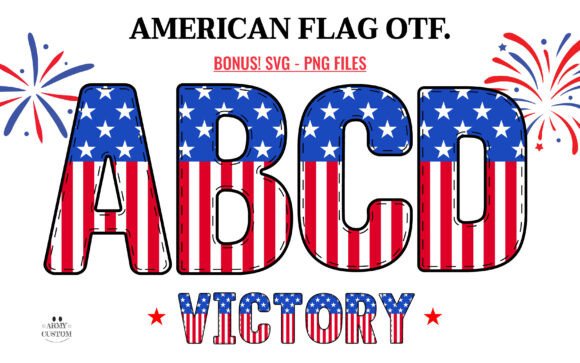
There's a certain feeling you get when you see typography that just works—it clicks into place like the final piece of a puzzle, transforming a good design into something memorable. The American Flag typeface is one of those rare finds that carries genuine emotional weight before you even read a single word. Inspired by the curves of Old Glory and the bold spirit of American heritage, this font doesn't just spell out letters; it tells a story. Whether you're designing a Fourth of July campaign, building a brand rooted in tradition, or crafting merchandise that celebrates national pride, this typeface brings a distinctive personality to every project it touches.
A Typeface That Carries Meaning Beyond Its Letters
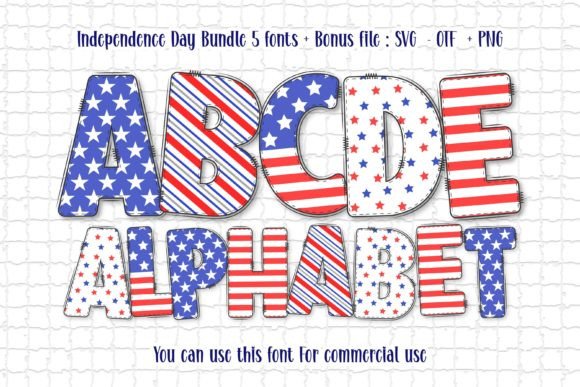
What sets the American Flag font apart from generic patriotic clipart or overused red-white-and-blue templates is its thoughtful design foundation. The letterforms themselves echo the movement and flow of a waving flag—subtle curves that suggest motion, bold strokes that command attention, and a rhythm that feels distinctly American without veering into cliché territory. It walks a careful line between decorative display font and functional typography, making it versatile enough for headlines, logos, and branded materials where you need personality without sacrificing clarity.
The typeface typically includes multiple styles—think regular, bold, italic, and sometimes alternates or ligatures—that give you flexibility across different design contexts. A condensed version might work beautifully on packaging where space is tight, while a bolder weight anchors a poster or banner with authority. Understanding what's included in your font files before you start designing saves time and helps you make intentional choices rather than settling for whatever default looks "close enough."
Where This Font Truly Shines: Real-World Applications
Let's talk about where the American Flag typeface actually earns its place in your design toolkit, because a font is only as valuable as the projects it elevates.
Branding and Logo Design
If you're building a brand identity around American values—whether that's a veteran-owned business, a patriotic lifestyle brand, a craft brewery with roots in small-town USA, or a nonprofit honoring service members—this font gives your logo an immediate sense of place and purpose. It pairs especially well with clean sans serif fonts for body text, creating a hierarchy that feels intentional. The key is restraint: let the American Flag typeface carry the headline or brand name, then step back and let simpler typography handle supporting information.
Packaging and Merchandise
Product packaging tells a story in seconds. A hot sauce label, a barbecue rub, a craft beer can—these are spaces where the American Flag font communicates heritage, quality, and authenticity at a glance. On merchandise like t-shirts, hats, mugs, and tote bags, the font works beautifully as a standalone design element or paired with simple graphics. The visual weight of the letterforms means they reproduce well across different printing methods, from screen printing to embroidery to digital direct-to-garment processes.
Marketing and Social Media Graphics
Memorial Day, Veterans Day, Independence Day, Election Season—these are moments when audiences respond to patriotic visual language. Social media graphics using this font immediately signal relevance and emotional connection. Think Instagram stories announcing a holiday sale, Facebook cover photos for community events, or Pinterest pins promoting patriotic recipes and DIY projects. The font's display characteristics make it perfect for short, punchy headlines that need to stop a scrolling thumb.
Editorial and Print Design
Magazine spreads about American history, event programs for community celebrations, restaurant menus with a Southern comfort theme, invitations for backyard barbecues or military homecomings—the editorial applications are surprisingly broad. In print, pay close attention to sizing. Display fonts like this one are designed for larger point sizes where their personality can breathe. Using them at 10-point body text would compromise readability, so pair them thoughtfully with a complementary serif or sans serif for longer passages.
Web Design and Digital Products
On websites, the American Flag font works best as a web font for hero sections, landing page headlines, or call-to-action buttons where you want to evoke emotion. For digital products like printable wall art, desktop wallpapers, or digital planners, the typeface adds instant character. Just make sure your web implementation includes proper fallback fonts so the design holds together even if the custom font fails to load.
Practical Tips for Getting the Most Out of Display Typography
Working with a character-rich display font like the American Flag typeface requires a slightly different approach than picking Helvetica for a business card. Here are some honest, practical considerations:
Font Pairing Is Everything. A bold, personality-driven font needs a quieter partner. Try pairing it with a neutral sans serif like Montserrat, Open Sans, or Lato for body copy. If you want more warmth, a simple serif like Lora or Merriweather can create an elegant contrast. Test your pairings at actual size—what looks balanced in a 300-pixel mockup might feel overwhelming on a printed poster or cramped on a mobile screen.
Readability Comes First. No matter how beautiful a font looks in isolation, it fails if people can't read it quickly. Use the American Flag typeface for headlines, titles, and short phrases where its decorative qualities enhance rather than hinder comprehension. Avoid setting entire paragraphs in it, and be cautious with all-caps treatments at smaller sizes where individual letter recognition matters.
Spacing and Kerning Deserve Attention. Display fonts sometimes need manual kerning adjustments, especially in logo work where every pixel of space between letters affects the overall feel. Don't rely solely on default spacing—zoom in and fine-tune the gaps between problematic letter pairs. This small effort makes a significant difference in professional presentation.
Consider Your Color Palette. Red, white, and blue is the obvious choice, but the American Flag font also works beautifully in unexpected palettes—think gold on black for a premium feel, earth tones for a rustic Americana aesthetic, or even monochrome for a sophisticated editorial look. The font's character adapts to its context, so experiment beyond the predictable.
Licensing and Commercial Use: What to Know Before You Design
Before incorporating any premium font into client work or products for sale, verify the licensing terms. Most quality display fonts come with clear commercial licenses, but the specifics vary—some cover unlimited personal and commercial use, while others charge based on the number of users, projects, or impressions. If you're a freelancer or agency working across multiple clients, an extended or enterprise license might be worth the investment. Keep your license documentation organized; it's the kind of administrative detail that becomes important when a client asks about font usage rights months later.
Also check whether the license covers all the formats you'll need—desktop files for print design, web fonts for online use, and potentially app fonts if you're developing mobile experiences. A comprehensive font package that includes multiple formats saves you from scrambling to find conversion tools or purchasing additional licenses down the road.
The American Flag typeface isn't trying to be everything to everyone, and that's exactly what makes it effective. It serves a specific emotional and aesthetic purpose, and when you match it to the right project—a brand that celebrates heritage, a campaign that honors service, a product that embodies craftsmanship—it delivers something that generic fonts simply cannot. That's the real value of choosing typography with intention rather than convenience.