MultiType Pixel Display: Adding a Digital Edge to Modern Design
Sometimes a project calls for something that breaks the mold. You're designing a poster for a retro gaming event, creating a logo for a tech startup, or crafting social media graphics for a streetwear brand, and the standard, clean-cut fonts just aren't cutting it. You need a typeface with personality, one that carries a distinct, digital vibe while still being highly functional. This is where a uniquely shaped, pixelated display font can completely transform your creative direction, offering that perfect blend of nostalgia and contemporary edge.
A Typeface with Character and Clarity
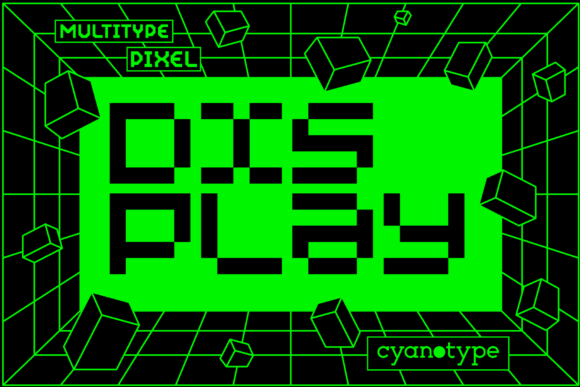
MultiType Pixel Display isn't just another pixel font. Its cool, uniquely shaped letterforms are designed to stand out. The "pixelated" effect is stylized and intentional, giving each character a distorted, trendy touch that feels both retro and futuristic. Think of the classic 8-bit aesthetic but refined for modern applications. The irregular edges and blocky construction create a strong visual rhythm that immediately catches the eye. This isn't about mimicking old computer screens; it's about harnessing that digital energy for a fresh, contemporary look.
What makes this particular premium font so practical for creators is its thoughtful design. Despite its decorative nature, the letterforms maintain a surprising level of clarity at various sizes. The unique character shapes ensure your headlines, logos, and titles won't just blend into the background. They demand attention. For a designer building a brand identity, this means instant recognition. For a content creator, it means your thumbnails and graphics will pop in a crowded feed.
From Branding to Merchandise: Where It Shines
The true test of a creative font is its versatility. MultiType Pixel Display proves its worth across a wide range of projects, making it a valuable addition to any designer's toolkit or small business owner's asset library.
Imagine applying this typeface to logo design. For a mobile app developer, a podcast about video games, or a modern electronics brand, the font's inherent connection to digital culture builds immediate thematic relevance. It tells a story before a single word of copy is read. In packaging design, it can be used to highlight a product name on a box for artisanal hot sauce, specialty coffee, or vinyl records, adding a layer of cool, curated appeal.
For social media graphics and web design, the font excels. Use it for bold Instagram story headers, engaging YouTube video titles, or striking website hero sections. Its high-contrast, blocky structure ensures readability even when layered over complex images or busy backgrounds. Bloggers and content creators can use it to create standout featured images or section headers that break up text and guide the reader's eye.
Beyond the digital realm, its applications are just as compelling. Design eye-catching posters for music festivals, art shows, or tech conferences. Create memorable invitations for milestone birthdays or themed parties. Use it on merchandise like t-shirts, tote bags, and stickers where a strong graphic statement is key. Even in editorial layouts for magazines or lookbooks, a pull quote set in MultiType Pixel Display can add a dynamic, modern typography element to an otherwise traditional page.
Practical Advice for Seamless Integration
Adopting a distinctive typeface like this requires a bit of strategy to ensure it enhances, rather than overwhelms, your design. Here’s how to make the most of it.
Font Pairing is Key. A display font with this much personality works best when balanced with a more neutral companion. Pair it with a clean sans serif font for body text on websites or in brochures. The contrast allows the display font to shine as a headline or accent while ensuring your longer copy remains perfectly readable. Avoid pairing it with other highly decorative script fonts or intricate serif fonts, as this can create visual clutter.
Test for Readability. While it's designed for clarity, always test your chosen text at the intended size and in the intended context. A short, punchy headline like "New Collection" will be more legible than a full sentence set in all caps at a small size. Use it for impactful words and phrases where its unique character can be fully appreciated.
Explore the Full Glyph Set. This is a major advantage. MultiType Pixel Display is PUA encoded, which means every glyph, swash, and stylistic alternate is easily accessible through your standard software. Don't just stick to the basic letters and numbers. Open your glyphs panel in Adobe Illustrator, Photoshop, or other design software to discover alternate characters, ligatures, and decorative elements. These extras allow you to customize your text further, creating truly one-of-a-kind typographic compositions for your brand identity or marketing assets.
Consider Your Audience and Goal. Match the font's personality to your project's objective. Its trendy, distorted style is perfect for targeting younger, digitally-native audiences or for projects related to gaming, tech, music, and urban culture. For a more formal or traditional brand, it might be best used sparingly as an accent in specific campaign materials rather than as a primary typeface.
Understand the License. As a commercial font, ensure the license covers your intended use, whether for client projects, merchandise for sale, or digital products you plan to distribute. This is a standard but crucial step for any professional or commercial endeavor, protecting both you and your client.
In a landscape saturated with generic design assets, choosing a typeface with a strong point of view is a powerful decision. MultiType Pixel Display offers that distinctive voice—a tool to inject energy, nostalgia, and a sharp digital aesthetic into your work. It’s more than just a font; it’s a design statement waiting to be deployed.