Camouflage: A Bold Military Font for Commanding Designs
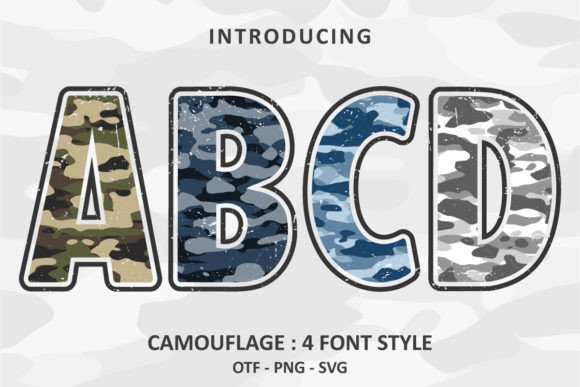
Some projects demand more than just legibility; they demand a presence. You've seen the typeface that looks like it walked straight out of a vintage army surplus store, yet feels surprisingly fresh in a modern design context. We're talking about a specific style of display font that leverages the rugged aesthetic of military stencils. This particular Camouflage typeface is not just a single style; it is a collection of four distinct patterns that mimic the classic "duck hunter" and woodland styles often found in retro apparel. It is a premium font designed for impact, offering a cool and original-looking color font experience that sets it apart from standard black-and-white typefaces.
For designers, the appeal of a military camouflage font lies in its ability to convey strength, durability, and a certain "outdoor" ruggedness. However, using such a bold creative font requires a strategic approach to visual communication. It is not a typeface for body copy or legal disclaimers. Instead, it is a specialized tool in your design assets library meant for high-impact moments—logotypes, headlines, and event-specific marketing assets. If you are working on a project for an outdoor brand, a tactical gear shop, a hunting apparel line, or even a music festival with a rugged theme, this typeface provides an immediate visual shorthand.
Visual Impact in Modern Branding
When building a brand identity, consistency is key, but distinctiveness is the goal. The Camouflage font achieves this by integrating the pattern directly into the letterforms. This is a significant departure from standard sans serif fonts or serif fonts. Because it is a color font, it carries its own texture. This means you don't necessarily need to add complex backgrounds to make the text stand out; the text is the texture.
Consider the apparel industry. A t-shirt design often relies on the graphic element doing the heavy lifting. Using this typeface for a "USA" headline or a brand slogan immediately evokes a sense of tactical gear or vintage military surplus. For packaging design, imagine a rugged beard oil or a craft beer brand. Using a standard script font might look elegant, but using a military stencil style adds a layer of grit and authenticity that suggests the product is "battle-tested" or designed for the outdoors. It helps in brand recognition because the font itself becomes a memorable icon.
Practical Applications: From Print to Digital
The versatility of this font extends across various media, though understanding the technical specifications is crucial for a smooth workflow. The font comes in different versions to suit different needs. The black version is compatible with cutting machines like Cricut Design Space and Silhouette, making it a favorite among crafters and small business owners who create physical merchandise.
However, if you want the full retro army style with the color patterns intact, you will be working with the color version. This version is ideal for digital-first projects. It shines in:
- Social Media Graphics: Instagram stories and Facebook posts need to stop the scroll. A bold, textured headline in a military style can cut through the noise of a busy feed.
- Web Design: While not for paragraphs, it works perfectly for hero section headers on websites for tactical gear, paintball arenas, or outdoor adventure blogs.
- Posters and Editorial Design: For magazines, comics, or movie posters, this font creates an instant mood. It suggests action, conflict, or a gritty reality.
- Game Design: If you are developing a strategy game or a shooter, this typeface fits the UI elements for scores, ammo counts, or level titles perfectly.
It is important to note the software compatibility for the color version. To utilize the vibrant patterns, you need software that supports advanced OpenType features or SVG color fonts, such as Adobe Photoshop, Adobe Illustrator, Silhouette Studio (Designer Edition or higher), and Inkscape. Standard word processors or basic design tools may default to the black silhouette version, which is still effective but loses the unique pattern fill.
Mastering Font Pairing and Hierarchy
One of the biggest mistakes designers make with display fonts is overusing them. A headline in Camouflage is powerful; a whole paragraph in it is unreadable. The key to professional presentation is contrast.
To create a balanced layout, pair this military font with a clean, neutral typeface. A geometric sans serif font like Montserrat or Roboto works exceptionally well. The clean lines of the sans serif allow the complex texture of the camouflage pattern to breathe without competing for attention. If you are going for a more vintage or rugged look, a simple serif font with high legibility can also provide a nice contrast to the stencil edges.
Readability considerations are paramount. Because the font uses patterns, the "ink" inside the letters is not solid. This can reduce contrast if placed against a busy background. Always ensure there is enough visual separation between the text and the background image. Often, adding a solid drop shadow or placing the text over a semi-transparent overlay helps maintain legibility while preserving the aesthetic integrity of the font.
Navigating Technical Constraints for Print Projects
For those in the small business or crafting space, the distinction between the black and color versions is vital for project planning. If you are using a Cricut machine to cut vinyl decals for hats, bags, or signs, you must use the black version. The machine reads vector paths, and the color patterns in the SVG version can sometimes confuse the cutting software, leading to jagged edges or misaligned cuts.
When using the color version for print, such as flyers or business cards, treat the text as an image. To ensure the patterns print correctly, you may need to rasterize the text layer or convert it to outlines (shapes) in Illustrator. This prevents font substitution errors if the print shop doesn't have the specific font file installed. Always request a proof before a large print run to ensure the colors and patterns look crisp on the chosen paper stock.
Final Thoughts on Creative Execution
The Camouflage font is a specialized tool that rewards creativity. It is perfect for corporate identity work for niche markets, invitations to themed events like bachelor parties or airsoft tournaments, and digital products like printable wall art. It brings a specific "vibe" that generic fonts cannot replicate.
When you add this to your toolkit, you are not just buying letters; you are buying a visual language. It speaks of endurance, style, and a bold attitude. By pairing it wisely, respecting its technical requirements, and applying it to the right contexts, you can transform a standard layout into a commanding piece of visual communication that stands out in a crowded marketplace.