Spider Boy: A Font That Captures Creative Energy
Sometimes, a typeface lands on your screen and you just know it has a story to tell. That’s the immediate feeling with Spider Boy. It isn’t just another set of letters; it’s a typographic creation that practically vibrates with personality, thanks to its captivating design and intriguing color possibilities. If you’ve been searching for a font that feels less like a utility and more like a creative collaborator, you’ve likely found your match.
Unpacking the Visual Appeal
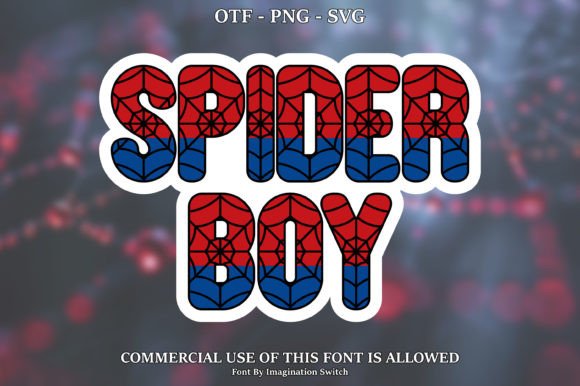
What makes Spider Boy so visually engaging? At its core, it’s a display font with a strong, modern personality. The letterforms are meticulously crafted, balancing a certain boldness with excellent legibility—a combination that’s surprisingly hard to find. The design avoids being overly whimsical or rigid, striking a perfect middle ground that feels fresh and versatile.
The real magic, however, lies in its potential for color application. The font’s structure is designed to be used with layers, allowing you to apply different hues to various parts of the letters. Imagine a logo where the main body of the text is a deep navy, while the intricate inner details pop in a vibrant coral. This feature transforms typography from a static element into a dynamic part of your visual storytelling. It’s a premium font that gives you a built-in tool for creating standout, modern typography without needing advanced design software skills.
Where This Typeface Truly Shines
Thinking about practical applications, Spider Boy is a powerhouse for projects where grabbing attention is non-negotiable. Its character set is complete, with uppercase, lowercase, and numbers, making it a reliable workhorse for a multitude of tasks.
- Branding & Logo Design: This is where the font can become the cornerstone of a visual identity. For a brand that wants to appear energetic, creative, and contemporary—think a tech startup, a gaming channel, or a bold fashion label—Spider Boy sets the tone instantly. The color-layering feature means your logomark can be unique and ownable.
- Packaging & Merchandise: On a shelf or in an online store, packaging has milliseconds to make an impression. Using this creative font for product names or taglines on boxes, labels, or apparel (like t-shirts and hats) injects immediate personality and helps products stand out in a crowded market.
- Marketing & Social Media: Digital landscapes are noisy. Spider Boy is perfect for creating high-impact social media graphics, promotional banners, and email headers. Its excellent on-screen legibility ensures your message is clear, even at smaller sizes, while its style stops the scroll.
- Editorial & Web Design: While it’s a display typeface best used for headlines, it can bring incredible energy to a blog post title, a magazine cover, or a website’s hero section. Paired with a clean sans-serif or serif font for body text, it creates a compelling hierarchy that guides the reader’s eye.
- Events & Special Projects: Designing a poster for a concert, a festival, or a community event? This typeface captures excitement. It’s also fantastic for invitations to parties, product launches, or any occasion where you want the invite itself to feel like part of the celebration.
Practical Tips for Using a Bold Font
Bringing a font like Spider Boy into your toolkit is exciting, but a little strategy goes a long way. Here’s how to get the most out of it.
First, consider your project’s goal. Is it to be playful, futuristic, or assertive? Spider Boy leans into a modern, energetic vibe. It’s perfect for a children’s book cover, a video game interface, or a cutting-edge app icon, but might not be the right fit for a conservative law firm’s annual report. Matching the font’s personality to your message is key.
Next, master the art of font pairing. A strong display font like this needs a calm partner. For body copy, pair it with a highly legible sans-serif font (like Inter or Lato) or a classic serif font (like Merriweather or Lora). The contrast will make your headlines pop while keeping longer text blocks easy to read. Avoid pairing it with another loud script font or handwritten font, as they’ll compete for attention.
Test rigorously. Before finalizing a design, check how the font renders across different devices and sizes. What looks stunning on your 27-inch monitor might lose clarity on a mobile screen. Print a test page if you’re using it for physical materials. This step ensures your professional presentation is maintained everywhere.
Finally, review the full character set. Explore all the included styles, alternates, and ligatures. A font like this often contains special characters that can add a unique flourish to your design. And, critically, understand the license. If you’re using Spider Boy for commercial projects—client work, merchandise for sale, or monetized content—ensure you have the appropriate commercial font license. This protects you legally and supports the designers who create these valuable assets.
Enhancing Your Visual Communication
Ultimately, the goal of any design asset is to improve how you communicate. Spider Boy contributes directly to several key areas. It boosts brand recognition by providing a unique visual signature. It enhances audience engagement because dynamic, well-designed typography is inherently more interesting to look at. It supports visual consistency across a campaign when used strategically across different touchpoints. And, when used thoughtfully, it elevates the professional presentation of your work, signaling that you care about quality and detail.
Whether you’re a small business owner crafting your first brand identity, a designer looking for a fresh tool, or a content creator aiming to level up your graphics, exploring a font with this much character is a worthwhile endeavor. It’s a design asset that doesn’t just display words—it helps you tell a better story.