Horizon Font: Bold Modern Sans Serif for Lasting Design Impact
Finding a typeface that feels both contemporary and timeless is a common challenge. Many fonts lean too heavily into trends, quickly looking dated, while others play it so safe they fail to make an impact. Horizon sits in a compelling middle ground—a condensed sans serif that carries the weight of modern boldness with a distinct, edgy character. It’s the kind of typeface that doesn’t just sit on a page; it commands attention, making it a powerful tool for anyone looking to inject personality and sophistication into their visual projects.
Where Modern Bold Meets Edgy Sophistication
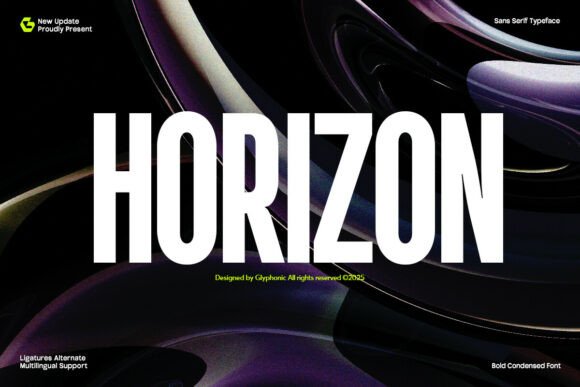
What immediately sets Horizon apart is its visual tension. The high-contrast strokes create a dynamic rhythm, where thick and thin lines play off each other. This isn't a monotonous, uniform font. Its condensed form gives it a sleek, efficient footprint, perfect for fitting strong statements into tight spaces, while its sharp, clean edges ensure it feels utterly modern. Think of it as the typographic equivalent of a tailored, architectural silhouette—structured, confident, and forward-thinking. This future-style aesthetic makes it a standout choice for projects that need to feel innovative without sacrificing clarity.
This unique blend of qualities translates directly into practical versatility. For a fashion brand, Horizon can evoke a sense of sleek minimalism or bold streetwear, depending on the context. In editorial layouts, its condensed nature allows for impactful pull quotes and headlines that draw the reader's eye without overwhelming the page. For a tech startup, it communicates cutting-edge precision. The key is that Horizon provides a strong stylistic foundation, allowing other design elements—color, imagery, and layout—to build upon a distinctly contemporary voice.
Practical Applications Across Creative Projects
The true test of a premium font is how seamlessly it integrates into real-world workflows. Horizon excels as a versatile design asset, proving its value across a wide spectrum of applications. Its primary strength lies in display use, making it an exceptional choice for any context where you need to make a statement.
- Branding & Logo Design: A logo built with Horizon instantly communicates a modern, confident identity. Its distinct character helps with brand recognition, ensuring your mark is both memorable and scalable from a business card to a billboard.
- Packaging & Merchandise: On product packaging, Horizon's bold presence ensures your product name stands out on a crowded shelf. It works beautifully for apparel tags, tote bags, and posters where a strong visual hook is essential.
- Digital & Social Media: Capture attention in a fast-scrolling feed with social media graphics set in Horizon. It's perfect for Instagram story headers, YouTube thumbnails, website hero sections, and digital product covers that need to look professional and engaging.
- Editorial & Print Layouts: Use it for magazine covers, book titles, event posters, and invitation headers. Its high readability at larger sizes ensures your message is both seen and understood, adding a layer of polished sophistication to any print material.
For small business owners and entrepreneurs, this means one font family can help unify the visual language across your website, business cards, social media, and product packaging, fostering a cohesive and professional brand identity.
Integrating Horizon into Your Design Workflow
Adopting a new display font like Horizon is about more than just liking its look; it's about ensuring it serves your project's goals. Here’s some practical advice for getting the most out of it.
Match the Font to the Message. Horizon's personality is bold and edgy. It’s ideal for projects that aim to feel modern, innovative, or fashion-forward. If your brand voice is more traditional, whimsical, or rustic, it might create a mismatch. Always start with your core message and audience, then ask if Horizon's character supports that narrative.
Master the Art of Font Pairing. A display font rarely works alone. Horizon's condensed, high-contrast style pairs well with cleaner, more neutral sans serif fonts for body text, like Open Sans or Lato. This creates a clear hierarchy, letting Horizon shine in headlines while ensuring longer passages remain highly readable. Experimenting with a simple, elegant serif for a touch of classic contrast can also yield sophisticated results. The goal is balance, not competition.
Test for Readability in Context. Always test your chosen font style in its intended environment. How does Horizon look on a mobile screen versus a printed brochure? Is the weight you've chosen clear enough for a quick glance at a poster? Pay special attention to letter spacing in headlines, as condensed fonts can sometimes benefit from a touch of increased tracking to maintain legibility, especially at very large sizes.
Review Included Styles. Before purchasing or finalizing your design, explore the full font family. Does it include the necessary weights (like Bold, Medium, Regular) and italics? A good commercial font will offer enough variation to handle different levels of emphasis within your designs, providing more creative control and consistency.
Understand Commercial Licensing. For any project that will be used to promote a business, sell a product, or generate revenue—whether it's a client's logo, your own Etsy shop graphics, or a marketing brochure—you must ensure you have the correct commercial license. This protects both you and the font designer and is a non-negotiable step in professional practice.
Building a Visual Identity with Confidence
Ultimately, choosing a typeface like Horizon is a strategic decision. It's about selecting a visual tool that aligns with the perception you want to create. Its strength lies in its ability to deliver immediate impact and a clear sense of style, helping to elevate a design from ordinary to memorable. By understanding its personality, testing its practicality, and pairing it thoughtfully, you can leverage Horizon not just as a font, but as a core component of a strong, recognizable, and engaging visual identity that resonates with your audience.