Audacity Duo: The Bold Font Pairing for Instant Impact
There's a certain magic in a font that feels both familiar and fresh—the kind of typography that makes you stop scrolling, linger on a package, or remember a brand. For designers and creators constantly seeking that balance between approachability and distinction, finding the right typeface can feel like searching for a needle in a haystack. Enter Audacity Duo, a font pairing that delivers both striking character and surprising versatility in a single package.
More Than Just Two Fonts
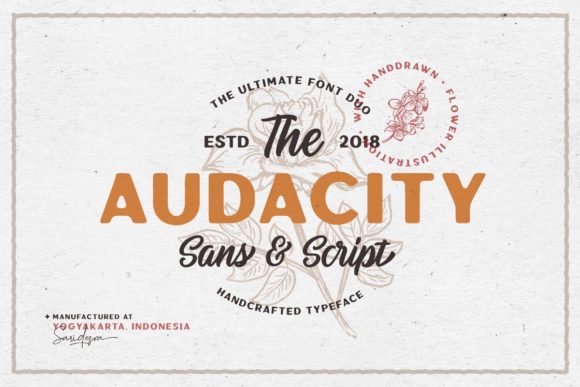
At its core, Audacity Duo combines two complementary styles: a rough, textured sans serif and a fluid, hand-lettered script. The sans serif carries an organic, almost weathered quality—it feels handmade without sacrificing readability. The script, meanwhile, flows with the natural rhythm of actual handwriting, complete with subtle variations that give it genuine warmth. Together, they create a conversation between structure and spontaneity, order and personality.
What makes this particular pairing work so well is the shared visual language between the two styles. They don't fight for attention; instead, they support each other. The roughness in the sans serif echoes the imperfect charm of the script, creating cohesion even when you use them separately. This kind of thoughtful design pairing saves countless hours of trial and error that designers typically spend testing font combinations.
Where This Font Duo Truly Shines
Consider a small-batch candle company developing its brand identity. The script font could carry the brand name on labels and packaging, conveying the artisanal, handcrafted nature of the product. The sans serif handles all supporting text—instructions, ingredients, website navigation—with clarity while maintaining that same handmade aesthetic. Suddenly, every touchpoint feels intentionally designed rather than cobbled together.
The applications extend far beyond product packaging:
- Logo design where you need a primary wordmark and supporting tagline that feel unified
- Social media graphics that demand quick visual hierarchy—script for headlines, sans for body copy
- Wedding invitations and event materials that blend elegance with personal touch
- Blog headers and editorial layouts seeking personality without sacrificing readability
- Merchandise design for apparel, tote bags, and prints where bold typography drives appeal
- Digital products like e-books, worksheets, or course materials that need professional yet approachable presentation
For entrepreneurs building a brand from scratch, this kind of ready-made font pairing eliminates one of the most common stumbling blocks. Instead of purchasing separate display fonts and hoping they work together, you get a tested combination that's designed to complement.
Practical Typography Advice for Real Projects
Having beautiful fonts at your disposal is only half the battle. Knowing how to deploy them effectively separates amateur designs from polished professional work. Here are some grounded recommendations for getting the most from a creative font pairing like this one.
Establish clear hierarchy. Use the script for primary focal points—brand names, hero headlines, featured quotes. Reserve the sans serif for everything that needs to be quickly scannable: subheadings, body text, captions, buttons. This isn't just aesthetic preference; it's functional design that guides the viewer's eye exactly where you want it.
Consider your medium carefully. A handwritten script that looks gorgeous on a large poster might become illegible at small sizes on a mobile screen. Test both fonts at the actual dimensions they'll appear in your final design. Print a physical sample if you're creating packaging or print materials. What reads beautifully at 72 pixels might blur together at 12.
Don't overuse the script. It's tempting to set entire paragraphs in a beautiful hand-lettered typeface, but scripts work best as accent pieces. A full page of script text becomes visually exhausting and genuinely difficult to read. Think of it like seasoning in cooking—the right amount elevates everything, but too much overwhelms the dish.
Pay attention to spacing. Rough and textured fonts sometimes need slightly more generous letter-spacing and line-height than their clean, geometric counterparts. The organic edges create visual texture that can feel dense if lines sit too close together. Give the letterforms room to breathe.
Test color combinations early. Fonts with character and texture interact differently with color than minimalist sans serifs. A rough sans serif in dark charcoal on cream background might feel sophisticated, while the same font in bright white on a photo could look completely different. Experiment with backgrounds, overlays, and color treatments before committing to a final design.
Beyond the Letterforms: The Bonus Assets
One aspect worth noting is the inclusion of vintage-style flower illustrations bundled with the font duo. These aren't throwaway extras—they're genuinely useful design assets for creators working in specific aesthetics. The botanical illustrations carry that same handcrafted, slightly imperfect quality as the typography, making them natural companions rather than afterthoughts.
Think about how these could enhance projects: delicate corner accents on business cards, frame elements for social media posts, decorative dividers in editorial layouts, or standalone graphics for merchandise. For crafters and hobbyists creating custom stationery, planners, or art prints, having coordinated typography and illustration assets streamlines the creative process considerably.
Matching Typography to Your Brand's Voice
Every typeface communicates something before a single word is read. The rough, organic quality of this sans serif suggests authenticity, craftsmanship, and approachability. The flowing script adds warmth, creativity, and personal connection. Together, they speak to brands that want to feel genuine rather than corporate, creative rather than sterile.
This makes Audacity Duo particularly well-suited for certain industries and brand personalities. Artisan food producers, boutique hotels, independent lifestyle brands, wellness practitioners, creative agencies, handmade goods sellers, and personal brands built around authenticity would all find natural alignment with this typography style.
That said, consider whether the aesthetic genuinely matches your brand's voice. A fintech startup targeting institutional investors might find the handwritten elements at odds with the precision and trustworthiness their audience expects. Typography should reinforce your message, not contradict it. The best font choice is always the one that feels inevitable for your specific context.
For those ready to explore what thoughtful, characterful typography can do for their next project, this font duo offers a compelling starting point. It bridges the gap between professional polish and human warmth—a combination that resonates across screens, packaging, and printed materials alike.