Flip Clock: Where Retro Charm Meets Modern Design
There's something undeniably captivating about the mechanical click of a flip clock. That satisfying moment when a digit tumbles forward, announcing the passage of time with quiet authority. Now imagine capturing that nostalgic energy and channeling it directly into your typography. That's exactly what Uzairr achieved with the Flip Clock font—a typeface that doesn't just display letters but tells a story through every carefully crafted character.
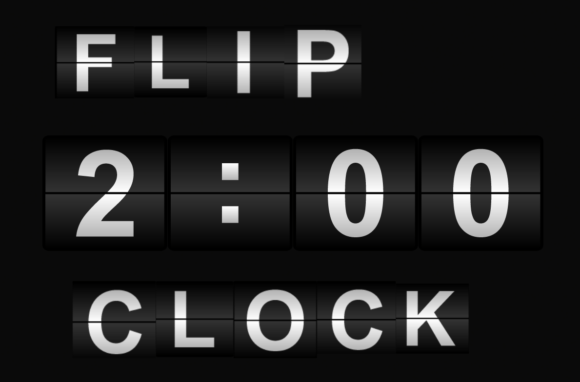
This premium font brings together the best of two worlds. The black and white gradient treatment creates depth and dimension that makes each letter feel like it's about to flip into action. It's not trying to mimic a retro aesthetic with cheap tricks. Instead, it genuinely embodies the sophistication of mid-century timekeeping while maintaining the clean lines and versatility modern designers demand.
A Typeface That Commands Attention Without Shouting
What makes Flip Clock stand out in a sea of display fonts? It's the subtlety. The two-tone grayscale palette isn't just decorative—it's functional. Those carefully calibrated gradients create visual hierarchy naturally, guiding the viewer's eye exactly where you want it to go. Whether you're designing a logo for a boutique watch brand or creating social media graphics for a productivity app, this font does the heavy lifting of establishing mood and context before anyone reads a single word.
The genius lies in how Uzairr balanced time-honored style with contemporary flair. You won't find overly ornate details or gimmicky effects here. Instead, each character carries the weight of classic industrial design while remaining surprisingly adaptable across different contexts. That's the mark of a truly well-crafted typeface—it doesn't box you into one aesthetic corner.
Practical Applications That Actually Make Sense
Let's talk about where Flip Clock genuinely shines in real projects. As a designer or business owner, you need fonts that solve problems, not create them. Here's where this typeface delivers tangible value:
Brand Identity and Logo Design: If your brand operates in tech, lifestyle, productivity, or any space where precision and style intersect, Flip Clock offers instant recognition. The distinctive character shapes become a visual shorthand for quality and attention to detail. Think about how a coffee subscription service or a minimalist home goods brand could use this font to signal sophistication without pretension.
Packaging Design: Physical products need typography that translates well from screen to shelf. The high-contrast design of Flip Clock maintains its impact whether printed on a matte cardboard box or a glossy label. The grayscale treatment also plays nicely with various color palettes, giving you flexibility when coordinating with existing brand colors or seasonal packaging themes.
Editorial and Print Materials: Magazine covers, event posters, book chapter headings—these are spaces where a creative font can transform ordinary layouts into memorable visual experiences. Flip Clock works particularly well for headlines and pull quotes where you want readers to pause and engage rather than skim past.
Digital Products and Web Design: Website hero sections, app interfaces, digital course materials, and email headers all benefit from typography with personality. The font renders cleanly at various screen sizes, and its inherent visual interest means you can keep surrounding design elements minimal while still creating impact.
Social Media Graphics: In feeds crowded with competing content, distinctive typography cuts through noise. Use Flip Clock for Instagram story headers, YouTube thumbnails, Pinterest pins, or LinkedIn carousel covers. The font's retro-modern aesthetic taps into current design trends while remaining timeless enough that your content won't feel dated in six months.
Merchandise and Invitations: From custom t-shirts and tote bags to wedding invitations and event programs, this typeface brings character to physical items people want to keep. The flip clock aesthetic carries emotional associations—nostalgia, craftsmanship, the preciousness of time—that resonate across different audiences and occasions.
Getting the Most From Your Typography Investment
Choosing the right font style matters more than most people realize. Before selecting Flip Clock for your next project, consider these practical guidelines that separate good typography from great typography.
Match the font to your project's emotional goal. Flip Clock communicates precision, nostalgia, and modern sophistication. If your project needs to feel warm and handcrafted, you might pair it with a complementary handwritten font for body text. If you're going for sleek and professional, combine it with a clean sans serif font for supporting copy. The key is intentional pairing—every typographic choice should reinforce your message.
Test your font pairings before committing. Set sample text in your actual design context. View it at the sizes you'll actually use. Check how it looks on different backgrounds and alongside your imagery. What reads beautifully on a designer's large monitor might lose impact on a mobile screen or a printed brochure. Flip Clock's strong visual personality means it pairs best with simpler companion typefaces that don't compete for attention.
Consider readability at every scale. Display fonts like Flip Clock are engineered for headlines, titles, and short bursts of text. They're not designed for paragraphs of body copy, and that's perfectly fine. Use this font where it excels—capturing attention and setting tone—then switch to a highly readable serif or sans serif for longer passages. This division of labor actually strengthens your overall design by creating clear visual hierarchy.
Review all included font styles carefully. A quality commercial font often ships with multiple weights, alternates, or stylistic variations. Take time to explore everything included in your purchase. You might discover alternates that work better for specific letters, or find that a particular weight suits your brand guidelines more precisely than the one you initially planned to use.
Understand your licensing needs upfront. If you're working on commercial projects—client work, products for sale, monetized content—verify that your font license covers those uses. Most premium fonts offer clear licensing terms, but it's worth confirming before embedding a typeface into a logo that will appear on thousands of products. This simple step protects both you and your clients down the road.
Building Visual Consistency Across Touchpoints
One of the most overlooked benefits of investing in a quality typeface like Flip Clock is how it streamlines your visual communication. When you commit to a specific font family across your brand touchpoints—website, social profiles, printed materials, packaging—you create instant cohesion. Your audience begins associating that distinctive typographic style with your brand, even before they consciously register your name or logo.
This is how brand recognition actually works at a practical level. It's not about having the most expensive design assets or the most elaborate visual identity system. It's about consistent, intentional choices repeated across every interaction. A font with enough personality to be memorable, yet versatile enough to work across different media, becomes a quiet workhorse for your entire brand presence.
Flip Clock occupies that sweet spot. Its visual character is unmistakable—those gradient-infused digits practically vibrate with energy—but it doesn't overwhelm supporting design elements. You can build an entire visual system around it, or use it as a strategic accent alongside more neutral typography. Either approach works because the font's design is rooted in solid craftsmanship rather than fleeting trends.
Making Your Next Project Unforgettable
Typography choices reveal priorities. When someone encounters Flip Clock in your designs, they register something beyond the words themselves. They feel the precision. They sense the care that went into every visual decision. That emotional response—often unconscious—is exactly what separates forgettable design from work that genuinely connects with people.
Whether you're refreshing a brand identity, launching a new product line, designing marketing materials for an upcoming campaign, or simply looking for a typeface that brings genuine character to your creative projects, this font deserves serious consideration. It bridges the gap between retro appeal and contemporary function in a way that few display typefaces manage to achieve.
The best typography doesn't just look good. It communicates something meaningful before a single word is consciously processed. With Flip Clock, every headline becomes a small celebration of design craft—honoring the past while speaking confidently to the present.