Slowdeath: Unleashing Brutal Typography for Metal Branding
There is a distinct energy in the heavy music community that requires visual language to match its intensity. When you are trying to convey the raw power of a death metal track or the gritty authenticity of a streetwear brand inspired by the underground, standard corporate fonts simply fall flat. You need typography that feels weathered, aggressive, and unapologetic. This is where the specific aesthetic of black letter typography comes into play, bridging the gap between medieval history and modern subculture. For those looking to capture that specific visual vibe, finding a typeface that balances legibility with extreme stylistic flair is the first step in creating a memorable identity.
Understanding the Aesthetic Power of This Typeface
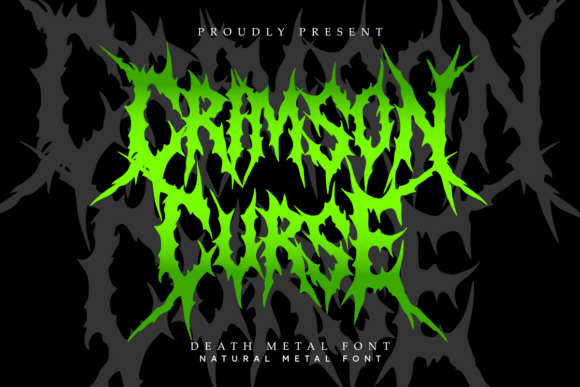
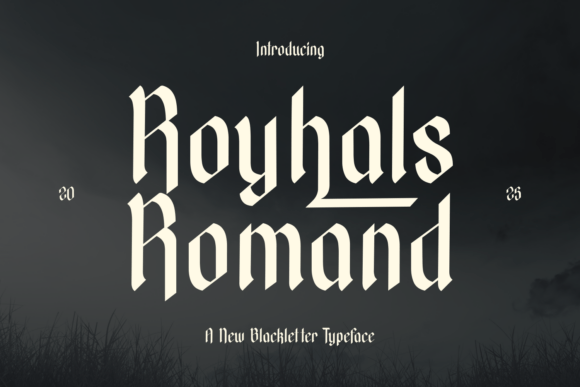
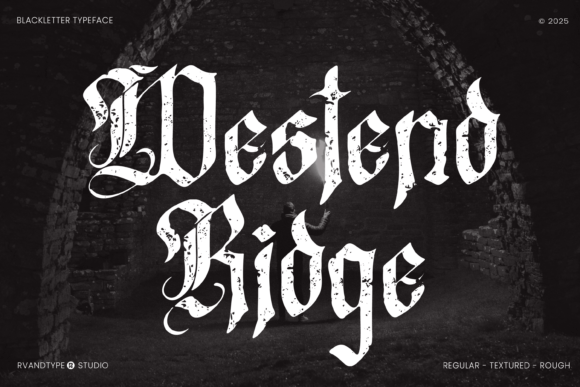
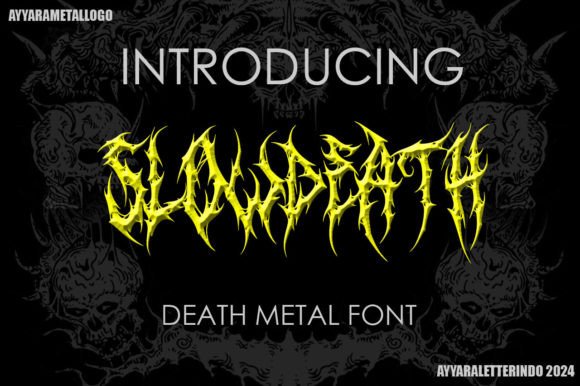
Slowdeath is not just a collection of letters; it is a statement. As a dedicated death metal font, it is designed to evoke the chaotic beauty of the genre. The visual style draws heavily from traditional black letter and gothic influences, but it twists them into something sharper and more aggressive. The letterforms feature high-contrast strokes, jagged edges, and intricate details that mimic the look of hand-drawn ink or carved wood. This creates an immediate sense of authenticity that is hard to achieve with standard serif fonts or clean sans serif fonts.
What makes this display font particularly appealing is its versatility within its niche. It avoids the common pitfall of extreme decorative fonts: being completely unreadable. While it is certainly ornate, the structural integrity of the letters remains intact. This allows designers to use it for primary branding elements—like a band name on a tour poster—without sacrificing the viewer's ability to identify the name at a glance. It serves as a bridge between the raw, DIY aesthetic of the underground and the polished requirements of professional logo design.
Practical Applications for Designers and Creators
The utility of a specialized typeface like this extends far beyond just album covers. For designers and creative entrepreneurs, the font serves as a versatile design asset that can be applied across a wide variety of mediums. The key is understanding the context in which the font will be viewed.
- Band Merchandise and Apparel: This is the most natural fit. Whether you are screen printing t-shirts, designing patches, or creating embroidered beanies, the sharp lines of the font hold up well on fabric. It translates the energy of the music directly onto the clothing.
- Event Posters and Flyers: In the world of gig posters, visual hierarchy is everything. A heavy, ornate font creates a massive focal point that draws the eye immediately. It sets the mood for the event before the viewer even reads the supporting details.
- Logo Design and Brand Identity: For businesses outside of music—such as craft breweries, tattoo studios, or extreme sports teams—this font can define a rugged brand identity. It suggests a brand that is bold, traditional, and uncompromising.
- Digital Products and Album Art: In the streaming age, thumbnail visibility matters. The intricate details of the font create a high-contrast image that stands out on digital platforms, ensuring that your editorial design captures attention in a crowded feed.
Integrating Slowdeath into Modern Design Workflows
Adopting a new premium font into your workflow requires more than just installation; it requires strategy. When working with a typeface as stylistically dominant as Slowdeath, the goal is to create harmony rather than chaos. This is where font pairing becomes essential. Because the primary font is so detailed and heavy, it pairs best with simpler, cleaner typefaces for body text.
Consider pairing it with a geometric sans serif font or a clean modern typography option for descriptions, dates, and locations. This contrast allows the black letter elements to shine without overwhelming the reader. If you use two ornate fonts, the result will likely be visual noise that is difficult to decipher. The rule of thumb here is contrast: pair the complex with the simple to ensure readability across your marketing assets.
Furthermore, think about the color palette. This typeface often works best in high-contrast scenarios—black on white, white on black, or distressed textures that mimic vintage printing methods. When applying it to web design, ensure that the resolution is high enough to capture the fine details of the lettering, as low-resolution screens can sometimes blur these intricate strokes into a dark blob.
Commercial Use and Licensing Considerations
Before deploying any creative font in a commercial capacity, it is vital to understand the licensing terms. For small business owners and freelance designers, the difference between a personal use license and a commercial license is significant. If you are creating a logo for a client, selling merchandise, or using the font in paid advertising, you must ensure you have the appropriate rights.
Most foundries and font marketplaces offer clear distinctions between these licenses. A standard commercial license usually covers a specific number of users or workstations. If you are an agency working with multiple designers, or if you plan to use the font in a digital product that you sell to others (such as a template), you may need an extended license. Always review the documentation included with the font files. This step protects both you and your client from legal issues down the line and ensures that the creators of the font are compensated for their work.
Ensuring Readability and Visual Consistency
While the aesthetic of Slowdeath is its main selling point, the ultimate goal of any design is communication. If the audience cannot read the message, the design has failed, regardless of how cool it looks. To maximize visual consistency and professional presentation, consider the following practical tips:
First, reserve this typeface for headlines and short bursts of text. It is a display font, meaning it is intended for large sizes. Using it for paragraphs of body copy will inevitably lead to eye strain for your readers. Stick to using it for impact—titles, headers, and logos.
Second, pay attention to kerning and tracking. Ornate black letter fonts often have complex shapes that can sometimes collide with one another. You may need to manually adjust the spacing between certain letter pairs to ensure they look balanced. This attention to detail separates amateur work from professional graphic design.
Finally, test your designs in context. A logo that looks great on a computer screen might lose its definition when embroidered on a hat or printed on a textured paper stock. Mock up your designs on the actual products—be it a social media graphic, a vinyl sleeve, or a t-shirt—to see how the font behaves in the real world. By focusing on these practical details, you can leverage the dark, atmospheric power of this font to create compelling designs that resonate with your audience.