Secret History: A Font That Blends Gothic Grandeur with Timeless Allure
Imagine a typeface that whispers of ancient scrolls and cinematic magic, one that carries the weight of medieval stone yet dances with the subtle elegance of Eastern script. That’s the feeling you get when you first encounter Secret History. It’s not just another gothic font; it’s a design asset that feels like it was unearthed from a film set or the pages of a forgotten fantasy novel. For creators seeking a touch of drama and distinction, this font offers a visual language that’s both familiar and intriguingly different.
A Visual Narrative for Your Brand
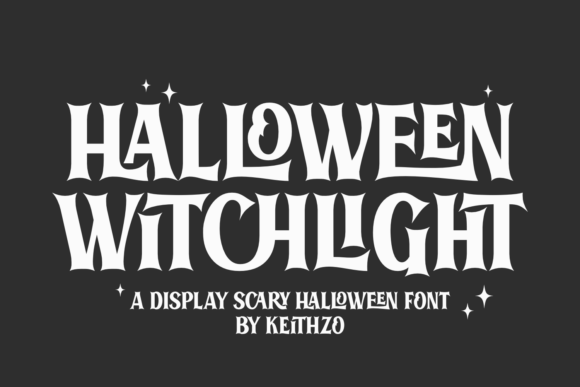
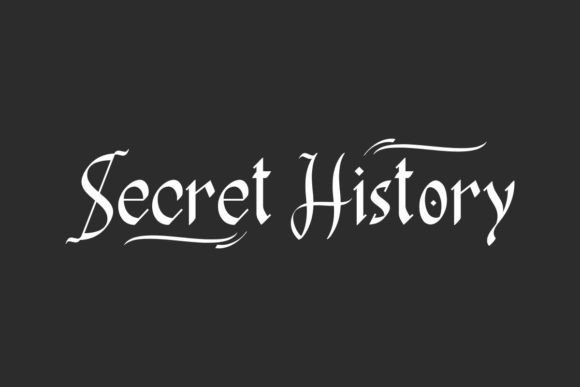
Secret History’s core appeal lies in its unique character fusion. It presents a classic European gothic structure, reminiscent of old manuscripts and heraldic crests, but with a twist. Subtle curves and detailing hint at an Arabic-influenced aesthetic, creating a hybrid style that feels both historic and globally inspired. This isn’t a font that shouts; it commands attention through its intricate personality. The letterforms have a textured, almost engraved quality, giving them a tactile presence on screen and in print. This makes it a powerful display font for headlines, logos, and any element where you need to establish a strong mood instantly.
Think about the brands that thrive on story and atmosphere. A specialty coffee roaster with a vintage vibe, an artisan chocolatier packaging their truffles, or an indie game studio launching a dark fantasy title—Secret History provides the visual shorthand for their narrative. It helps build a cohesive brand identity that feels authentic and layered, moving beyond generic sans-serifs to tell a more compelling story.
Practical Applications Across Creative Industries
The versatility of a well-crafted creative font like this is where its real value shines. It’s not confined to one niche. Its aesthetic adapts beautifully to a wide range of projects, making it a valuable addition to any designer’s toolkit.
- Logo & Branding: Use it for wordmarks or as a secondary font for taglines to inject a sense of heritage and mystery. It pairs surprisingly well with clean sans serif fonts for body text, creating a dynamic contrast.
- Packaging Design: For products like handicrafts, antiques, or gift wrapping, Secret History adds a premium, handcrafted feel. Imagine it on a wax-sealed envelope or a kraft paper box for artisanal goods.
- Event & Festival Collateral: It’s perfect for magic show posters, medieval festival flyers, or themed event invitations, instantly setting the desired tone.
- Digital Presence: Use it strategically on websites and blogs for section headers or pull quotes. For social media graphics, it creates scroll-stopping thumbnails and story text that looks distinct and professional.
- Merchandise & Apparel: On t-shirts, tote bags, or accessories, the font works as a graphic element in itself, appealing to fans of niche genres in movies, music, and gaming.
Designing with Intention: Pairing and Readability
Introducing a premium font with this much character requires thoughtful implementation. The goal is to enhance, not overwhelm. A key principle in modern typography is balance. Because Secret History is a detailed serif font with high visual interest, it’s best used for short bursts of text—headlines, logos, titles, and accents.
For body copy or longer paragraphs, pair it with a highly readable and neutral companion. A simple, geometric sans serif font for web content or a classic, clean script font for more formal print materials can provide the necessary breathing room. Always test your font pairings in context. View your design at the intended size to ensure the details of Secret History remain legible and impactful, not cluttered.
Consider the weight and style options included with the font family. Does it come with bold, italic, or condensed versions? Using these variations can help you create hierarchy and visual consistency within a single project, from a poster to a business card.
Elevating Your Project’s Professional Presentation
In a crowded market, the details separate the memorable from the mundane. Typography is one of those critical details. Choosing a distinctive typeface like Secret History signals that you’ve put care into your project’s visual communication. It demonstrates an understanding of design assets and a commitment to quality.
For entrepreneurs and small business owners, this font can be a secret weapon. It helps improve brand recognition because its unique style is hard to forget. When used consistently across your marketing assets—from your website header to your email newsletter signature—it builds a cohesive and professional presentation that builds trust with your audience.
Before finalizing any design, always double-check the licensing. A commercial font license ensures you have the legal right to use it in your client work, on merchandise for sale, or in all your digital and print materials. This is a non-negotiable step for any serious creative project.
Ultimately, Secret History is more than just a collection of letters. It’s a tool for world-building. It invites your audience into a story before they’ve even read a word. Whether you’re crafting an identity for a café with a storybook theme, designing a poster for an indie music festival, or developing a logo for a fashion brand with a gothic edge, it provides a foundation of visual intrigue. The best fonts don’t just display words; they evoke a feeling. And this one feels like a discovered treasure, waiting to add its unique voice to your next creative endeavor.