Praetoria: Unlocking Ancient Power in Modern Design
There’s a certain weight to history. When you look at the inscriptions carved into Roman monuments or the formal lettering of ancient decrees, there’s an undeniable sense of authority and permanence. For designers and brand builders today, capturing that feeling is a powerful way to make a project stand out. This is where a typeface like Praetoria enters the picture, offering a direct line to that classical, commanding aesthetic.
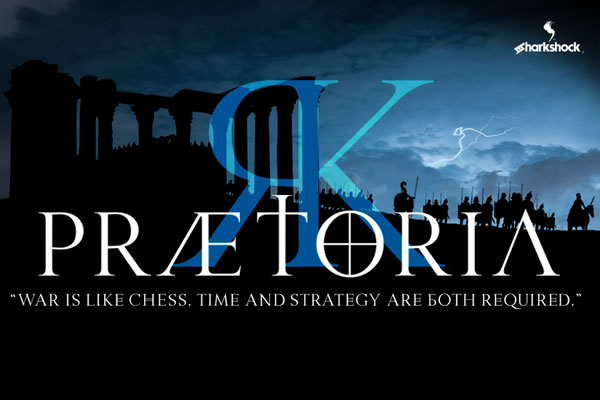
Praetoria is a serif titling font, but it’s far from a simple historical revival. Loosely modeled after the Roman square capitals that have stood the test of centuries, it carries their foundational strength and geometric clarity. The uppercase letters are the stars here, built with the kind of deliberate, architectural form that instantly communicates stability and tradition. However, Praetoria adds a layer of creative intrigue with its lowercase set. While some letters are scaled-down versions of their uppercase counterparts, others are inventive variations—like the ‘b’ and ‘m’—which were thoughtfully borrowed from Russian and Greek alphabets. This blend creates a unique visual personality that feels both ancient and freshly imaginative.
Beyond the Classics: Where This Display Font Truly Shines
Understanding a font’s personality is key to using it effectively. Praetoria’s design is inherently bold and decorative, making it a quintessential display font. This means it’s crafted for headlines, logos, and any application where text needs to be seen and felt from a distance, rather than for body copy. Think of it as the architectural cornerstone of your design—it sets the tone and structure, but you wouldn’t build an entire wall from just cornerstones.
Its natural habitats are projects that demand a sense of epic scale or historical gravitas. Game developers will find it perfect for title screens and key art, instantly suggesting a world of myth and legend. Movie poster designers can use it to frame a film’s title with cinematic weight, whether for a historical drama, a fantasy adventure, or a sci-fi epic with ancient roots. For authors and publishers, it’s a natural fit for book covers in genres like epic fantasy, historical fiction, or mythology, promising readers a story of consequence.
Practical Applications for Creators and Businesses
The utility of a font like this extends far beyond entertainment. For entrepreneurs and brand strategists, Praetoria can be a cornerstone of a powerful brand identity. Consider a luxury goods brand, a high-end winery, a bespoke tailor, or a heritage-themed restaurant. Using this serif font for the primary logo wordmark or main headlines injects an immediate sense of established quality, craftsmanship, and timeless value. It tells customers, “We are serious about what we do.”
In packaging design, especially for products in the gourmet, artisan, or premium sectors, this typeface can elevate the perceived value of the item on the shelf. For editorial design, such as magazine spreads or annual reports, using Praetoria for section headers or pull quotes can add a layer of sophistication and break up monotony. Even in the digital space, it can make a strong statement. A well-chosen headline in this font on a website landing page or a social media graphic can stop the scroll and convey a message of prestige and depth.
Pairing and Professionalism: Making the Font Work for You
Because Praetoria is so distinctive, using it well requires a bit of strategy. The golden rule is to use the uppercase letters as your primary workhorse. As noted in its own description, while you can use the lowercase exclusively, it’s not recommended. Instead, think of the lowercase as a special spice—use it sparingly to add a unique flourish to a tagline or a single highlighted word, but let the uppercase do the heavy lifting for main headings.
This brings us to one of the most important practical skills: font pairing. A commanding display font like this needs a supporting actor. It pairs beautifully with clean, simple sans-serif fonts for body text or secondary information. A neutral sans-serif won’t compete for attention and will ensure your overall design remains readable and balanced. It can also work with some script fonts or handwritten fonts for specific effects, but this requires careful testing to avoid a cluttered look.
A Final Word on Testing and Licensing
Before committing to any premium font for a commercial project, always test it. Type out the specific words and phrases you plan to use. Check how the letters interact. Review the full set of included font styles—does it come with bold or italic versions that might be useful? Most importantly, verify the commercial licensing. Ensure the license covers your intended use, whether it’s for a client’s logo, printed merchandise, or a digital product you plan to sell. This due diligence is what separates a hobbyist project from a professional one.
Ultimately, a font like Praetoria is more than just a collection of letters; it’s a design asset that carries a specific mood and history. By understanding its visual character and applying it thoughtfully, you can harness its ancient authority to create modern designs that are not only beautiful but also strategically effective, helping your project achieve greater visual consistency, brand recognition, and audience engagement.