Decorative Elements: Your Visual Toolbox for Standout Design
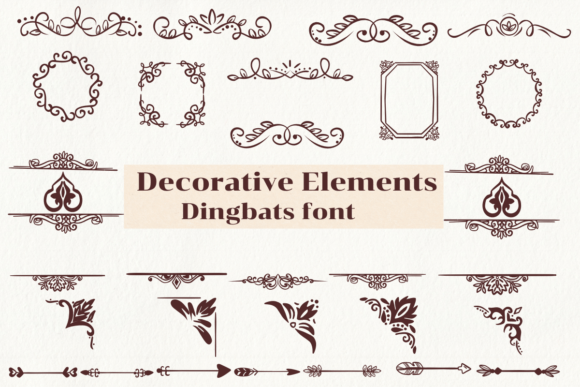
Imagine you're designing a wedding invitation. The text is set, the layout is clean, but something feels missing. It needs personality, a touch of elegance or whimsy that standard letters can't provide. This is where a versatile collection of decorative symbols becomes invaluable. Think of a typeface like Decorative Elements not as a font of letters, but as a curated gallery of icons, flourishes, and motifs—your secret weapon for injecting instant visual interest into any project.
Beyond Letters: The Power of Visual Symbols
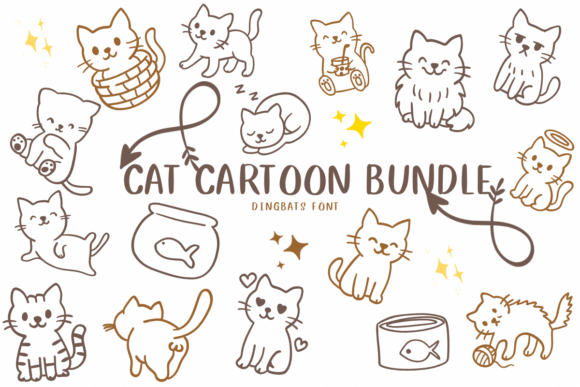
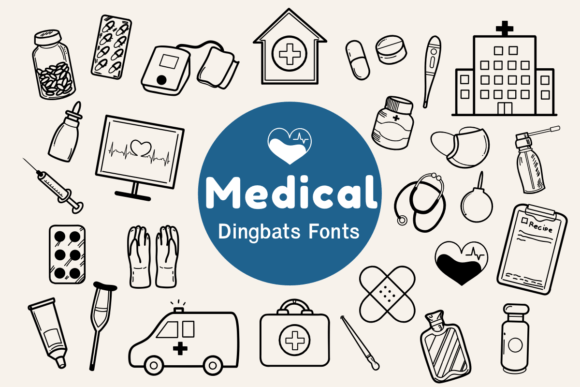
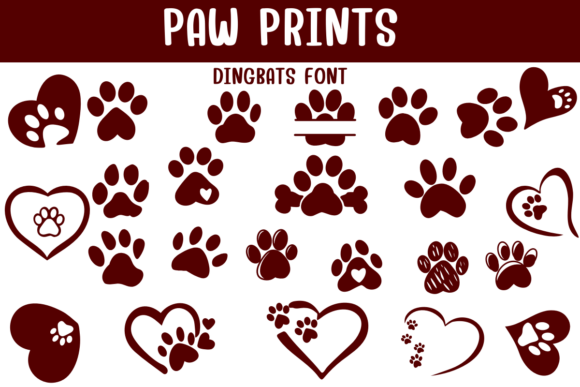
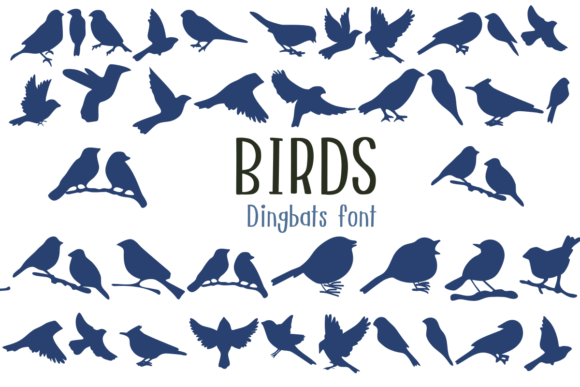
At its core, a decorative elements font is a specialized typeface where each key on your keyboard maps to a unique graphic symbol instead of a traditional character. Pressing 'A' might yield a delicate botanical sprig, while 'B' could produce a geometric frame. This transforms your keyboard into a rapid-access design panel. The appeal lies in its simplicity and cohesion. All the symbols within a single font family are designed to work together harmoniously, ensuring your decorative accents share a consistent line weight, style, and aesthetic. This solves a common design headache: finding separate icon sets that don't clash.
For a small business owner crafting their brand identity, this is a game-changer. You can develop a signature set of icons—say, a specific arrow style, a recurring decorative border, and a unique divider—that become as recognizable as your logo. Using these consistent visual elements across your packaging, website headers, and social media graphics builds a subtle but powerful layer of brand recognition. It tells your audience, "This is part of our world," without saying a word.
Practical Applications Across Your Projects
The true value of a resource like Decorative Elements shines in its everyday utility. It’s a design asset that earns its keep across numerous formats. Consider these real-world scenarios:
- Social Media & Digital Presence: Break up long blocks of text in an Instagram caption with a simple line divider. Create unique bullet points for a blog post list. Design a custom "swipe up" arrow or a "link in bio" symbol that stands out from the default options. For a content creator, these small touches add polish and professionalism to daily posts.
- Print & Packaging Design: Elevate product packaging with decorative corners or a repeating pattern made from a single symbol. Add flair to a thank-you card inserted into orders. For a coffee roaster, using a small coffee bean icon as a divider on the menu reinforces the theme elegantly.
- Branding & Marketing Collateral: Design a set of icons for a website's services section that are perfectly aligned with your brand's style. Create consistent section headers for a PDF brochure or a media kit. Use decorative numerals for a sale announcement poster to draw the eye.
- Invitations & Personal Projects: Crafting a party invitation, a resume, or a personal blog? A well-placed flourish or a thematic symbol (like a tiny mountain for an adventure-themed wedding) adds a personal, handmade feel that generic clipart cannot match.
Integrating Symbols into Your Workflow
Adopting a new design asset is about more than just having it available; it's about using it effectively. Here’s how to make a decorative elements font work seamlessly for you.
Start with Strategy, Not Decoration. Before you dive in, ask: what is the goal of this project? Is it to feel luxurious, playful, rustic, or modern? Your choice of symbol style should answer that question. A font with Art Deco geometric shapes suits a high-end brand, while one with hand-drawn botanicals fits an organic, artisanal feel. Match the font's personality to your project's voice.
Pair with Purpose. These symbols rarely stand alone. They need to be paired with your primary text fonts—a serif font for classic elegance, a clean sans serif font for modern clarity, or a script font for a personal touch. The key is contrast and balance. Let the decorative element be the accent, not the main course. Use it to frame your heading, not replace it. Test your pairings by placing a symbol next to a line of your body text. Does it enhance or compete?
Prioritize Readability. The most beautiful symbol is useless if it confuses your audience. Use decorative dividers between sections to guide the reader's eye, but ensure there's enough white space. When using symbols as bullet points, make sure they are simple enough to be clear at small sizes. Always print a test page or view a design on a mobile screen to check that details remain crisp and recognizable.
Understand Your License. This is a critical, often overlooked step. If you're using these elements for a client project, on merchandise for sale, or in a logo, you need to ensure the font's license permits commercial use. Many premium fonts are explicitly designed for this, but always review the terms. A reputable commercial font will clearly outline what is allowed, giving you peace of mind as you build assets for your business or your clients' brands.
Ultimately, a set of decorative elements is like a well-stocked spice rack for a designer or creator. It doesn't replace your core ingredients—your typography, layout, and imagery—but it provides the nuanced flavors that make a project memorable. By selecting symbols that align with your brand's story and using them with intention, you move from simply making content to crafting a cohesive visual experience. It’s a small investment of time to learn and integrate, but one that pays dividends in professionalism and distinctiveness.