Cowboy Summer: The Handwritten Font That Brings Warmth and Whimsy to Your Projects
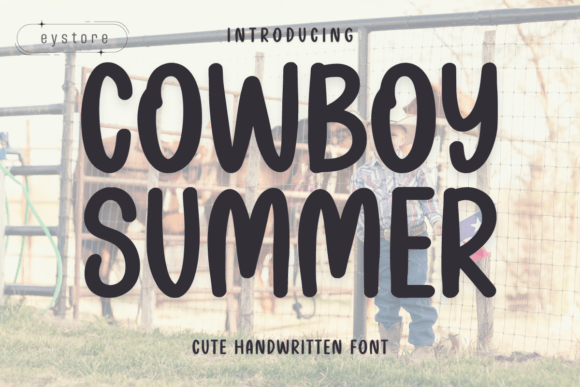
There’s something undeniably charming about a handwritten font that feels like it was scrawled on a sun-bleached postcard or jotted down in a journal during a lazy afternoon. That’s the immediate appeal of Cowboy Summer, a typeface that captures the easygoing, playful spirit of its name. It’s not just another script font; it carries a distinct personality that can instantly soften a design, add a touch of authenticity, and make a message feel more personal. For anyone working on a project that needs a dose of warmth and approachability, this font is worth a serious look.
A Typeface with a Story to Tell
What sets Cowboy Summer apart from a standard premium font is its character. The letterforms aren’t perfectly uniform—they have the slight variations and gentle curves of real handwriting. This isn’t a rigid, corporate script. It’s a creative font that feels friendly, a little bit nostalgic, and full of life. The unique characters ensure that headlines and short bursts of text have an interesting, organic rhythm. This makes it an excellent display font, designed to draw the eye in logos, on posters, and across packaging where first impressions are everything.
Think about the projects where a sterile, overly polished typeface might feel cold. A wedding invitation, a boutique’s product label, a blog header about summer recipes, or a social media graphic for a local farmers market. These are contexts where human connection matters. Cowboy Summer steps in here as a solution, bridging the gap between professional design and heartfelt communication. It’s a modern typography choice that doesn’t sacrifice personality for style.
Practical Applications for Real-World Projects
The versatility of a well-crafted handwritten font like Cowboy Summer is where its real value shines for designers, entrepreneurs, and creators. It’s not a one-trick pony. Its strength lies in its ability to adapt to various creative needs while maintaining its core, approachable vibe.
For Branding and Logo Design: If your brand identity is built around values like craftsmanship, community, nature, or a relaxed lifestyle, Cowboy Summer can become a cornerstone of your visual language. Use it for your primary logo to convey friendliness, or as a secondary font for taglines and brand messaging. It pairs surprisingly well with clean sans serif fonts, creating a balanced contrast that is both professional and inviting.
Packaging and Merchandise: Imagine this font on a coffee bag, a candle label, or a t-shirt for a summer festival. Its cute and funny handwritten style immediately tells a story. It suggests the product inside is made with care, perhaps by a small business with a personal touch. For merchandise, it’s perfect for quotes, slogans, or event names that you want people to connect with emotionally.
Digital Presence and Marketing: In the crowded space of social media graphics and websites, a distinctive typeface helps you stand out. Cowboy Summer can be used for Instagram post titles, Pinterest pin text, website hero sections, or blog post headings to break the monotony of standard web fonts. It’s particularly effective for calls-to-action or key quotes you want to highlight, as its style naturally draws the reader’s eye without being aggressive.
Making Smart Typography Choices
Choosing the right font style is a strategic decision. It’s not just about what looks “pretty” in isolation, but what aligns with your project’s goals and audience. A handwritten font like Cowboy Summer is ideal for projects targeting adults who appreciate authenticity and a touch of whimsy—think audiences for boutique goods, creative services, artisanal food products, or lifestyle blogs.
A crucial step in using any display font effectively is testing font pairings. Cowboy Summer, with its strong personality, works best when balanced. Pair it with a neutral, highly readable serif or sans serif font for body text. This ensures your main message is clear while your headlines and accents carry the stylistic weight. Always preview your pairings in context—a headline on a mockup poster, a label on a product image—to judge the overall harmony.
Readability considerations are also key. While Cowboy Summer is crafted for clarity, its handwritten nature means it’s optimized for short to medium-length text at larger sizes. Use it for headlines, subheads, and featured quotes. For long paragraphs of body copy, especially in digital formats where screen resolution varies, stick with a more conventional, screen-optimized font. This maintains professionalism and ensures your audience can comfortably consume your content.
From Concept to Final Design
Before diving into a project, it’s wise to review the included font styles. Many premium fonts come with multiple weights or stylistic alternates. Knowing what’s available—perhaps a slightly bolder version for emphasis or alternate letterforms for a more custom look—gives you more creative control and helps avoid mid-project surprises.
For any commercial use, understanding the licensing is non-negotiable. A font that’s free for personal projects might require a different license for use on merchandise, in client work, or for a business logo. Always ensure you have the correct commercial font license for your intended application. This protects you legally and supports the type designers who create these valuable assets.
Ultimately, a font like Cowboy Summer is a tool in your design toolkit. Its power lies in its ability to inject a specific mood and visual texture into your work. By thoughtfully applying it—considering your brand voice, your audience, and the practical demands of your medium—you can create designs that are not only beautiful but also effective communicators. It’s about choosing the right voice for your visual story, and sometimes, that voice is a friendly, sun-kissed whisper on the page.